


Wear Plates Exporter in Africa: Selection, Applications, Pricing & Buying Guide
Industries handling abrasive materials often face premature wear on chutes, hoppers, crushers, conveyors, buckets, and other high-contact equipment. Selecting the right wear-resistant plate can help reduce replacement frequency and maintain dependable equipment performance. Businesses searching for a Wear Plates Exporter in Africa generally need more than a material supplier—they need suitable plate grades, dimensions, fabrication support, consistent quality, and dependable supply coordination. Bhomanish Ventures Private Limited supports industrial buyers by helping them identify wear plate solutions according to application requirements rather than relying only on standard product descriptions.
What Are Wear Plates and How Do They Work?
Wear plates are engineered metal plates designed for equipment surfaces exposed to abrasion, impact, sliding contact, or material movement. Depending on the application, they may be used as liners, protective sections, replaceable panels, or fabricated components.
When abrasive material repeatedly contacts an ordinary steel surface, material loss can gradually reduce thickness and affect equipment life. A suitable wear-resistant plate provides a harder or otherwise more wear-resistant working surface, helping protect the underlying structure.
Companies looking for a Wear Plates Manufacturer or Wear Plates Exporter should consider the actual wear mechanism involved. Abrasion caused by sliding material is different from severe impact, and the plate selection should reflect operating conditions.
Material and Technical Considerations
Choosing Wear Plates in Africa requires attention to more than nominal hardness. The working environment, material being handled, impact level, plate thickness, fabrication requirements, and installation method can all influence selection.
Important considerations include:
- Abrasion type: Sliding, gouging, or impact wear can require different approaches.
- Material handled: Minerals, aggregates, coal, cement raw materials, and other bulk materials can create different wear patterns.
- Plate thickness: Thickness should correspond with the structural and service requirements of the equipment.
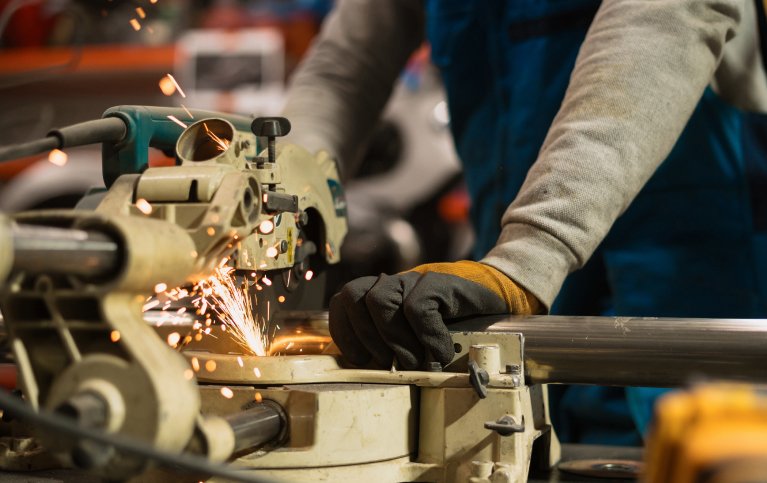
- Fabrication: Cutting, bending, drilling, and welding requirements should be confirmed before ordering.
- Operating conditions: Moisture, temperature, impact frequency, and material size may affect performance.
- Replacement method: Plates intended as replaceable liners may require different dimensions and fixing arrangements.
A reliable Wear Plates Supplier in Africa should therefore ask for application information before recommending a product rather than treating every wear problem identically.
Key Benefits and Industrial Applications
Properly selected wear plates can protect equipment surfaces from premature material loss and help businesses manage maintenance requirements more effectively. They are commonly considered for areas where continuous material movement produces significant surface wear.
Typical applications include:
- Mining: Chutes, dump bodies, hoppers, transfer points, and material-handling equipment.
- Quarries: Screens, feeders, hoppers, and aggregate handling systems.
- Cement plants: Chutes, bins, hoppers, and material transfer areas.
- Construction: Buckets, loading equipment, and heavy-duty material-handling components.
- Steel and metal processing: Conveying and handling areas exposed to abrasive materials.
- Recycling: Equipment handling mixed, coarse, or abrasive recovered materials.
- Bulk-material processing: Liners and protective sections in high-wear zones.
For businesses comparing a Top Wear Plates Exporter in Africa with multiple suppliers, application knowledge and product suitability can be more useful than simply comparing catalogue descriptions.
Common Buyer Problems and Requirements
Industrial buyers often face recurring problems when sourcing wear-resistant plates. One common issue is selecting a plate solely on price without considering the actual wear mechanism. Another is ordering standard dimensions that create unnecessary fabrication work at the installation site.
Buyers may also need:
- Consistent plate quality between orders
- Correct thickness and dimensions
- Suitable fabrication compatibility
- Documentation and material identification
- Packaging suitable for transportation
- Clear commercial terms and delivery coordination
- Assistance in matching the plate to the intended application
A search for Wear Plates Exporter Near me may indicate a preference for convenient sourcing, but international buyers should also assess the supplier's ability to communicate specifications clearly and coordinate export requirements.
How to Select and Buy Wear Plates in Africa
Before deciding where to Buy Wear Plates in Africa, prepare basic information about the application. Providing equipment type, material handled, current plate thickness, approximate wear rate, operating conditions, and required dimensions can make supplier discussions more productive.
The purchasing process can follow these steps:
- Identify the equipment area experiencing wear.
- Determine whether the dominant mechanism is abrasion, impact, or a combination.
- Confirm required plate dimensions and thickness.
- Discuss cutting, drilling, bending, or welding requirements.
- Request suitable material options from the supplier.
- Compare quotations based on specifications rather than price alone.
- Confirm packaging, documentation, delivery terms, and inspection requirements.
When evaluating Wear Plates Price in Africa, remember that pricing can vary according to material grade, thickness, dimensions, quantity, processing, logistics, and prevailing raw-material costs. A quotation should therefore be evaluated against the complete supply specification.
Maintenance, Supply and Buying Considerations
Even durable wear plates require sensible maintenance planning. Periodic inspection can identify localized thinning, cracking, deformation, loose sections, or uneven wear before the affected area causes wider equipment problems. Replacement planning is particularly useful for high-wear components where unexpected shutdowns can disrupt production.
For buyers seeking Buy Wear Plates for Sale in Africa, supply coordination should include clear specifications and agreed inspection requirements. Bhomanish Ventures Private Limited can work with industrial buyers to understand application requirements and coordinate suitable wear plate sourcing based on the information provided.
The objective should not simply be to purchase the hardest or most expensive plate. The practical goal is to select a plate appropriate for the operating conditions, fabrication process, equipment design, and expected wear pattern.
Frequently Asked Questions
1. What are wear plates used for?
Wear plates are used to protect equipment surfaces exposed to abrasion, impact, and repeated material contact. Common applications include mining, quarrying, cement, construction, recycling, and bulk-material handling.
2. How do I choose the right wear plate?
Consider the type of wear, material being handled, impact conditions, required thickness, dimensions, fabrication requirements, and installation method. Supplier input should be based on the actual application.
3. Can wear plates be cut or fabricated?
Many wear plate products can be processed in specific ways, but the permitted cutting, drilling, bending, and welding methods depend on the material and grade. These requirements should be confirmed before fabrication.
4. What affects wear plates price in Africa?
Wear Plates Price in Africa can depend on grade, thickness, dimensions, quantity, processing, transportation, and other commercial factors. Exact pricing requires a product and delivery specification.
5. Are wear plates suitable for mining applications?
Yes, wear plates are commonly considered for mining-related equipment exposed to abrasive materials, including chutes, hoppers, transfer areas, and other material-handling components. The appropriate product depends on the operating conditions.
6. What information should I provide when requesting a quotation?
Provide the application, equipment type, material handled, required dimensions, thickness, quantity, fabrication needs, delivery location, and any available existing plate details or specifications.
7. How can I buy wear plates for industrial use?
Start by defining the application and technical requirements, then discuss suitable material options, fabrication, quantity, documentation, packaging, and delivery arrangements with the supplier before placing the order.
Tags : Wear Plates Exporter in Africa, Top Wear Plates Exporter in Africa, Best Wear Plates Exporter in Africa, Wear Plates Exporter, Wear Plates Manufacturer, Wear Plates Exporter Near me, Wear Plates in Africa, Wear Plates Supplier in Africa, Wear Plates Price in Africa, Buy Wear Plates in Africa, Buy Wear Plates for Sale in Africa, Wear Plates Exporter in Johannesburg, Wear Plates Exporter in Durban, Wear Plates Exporter in Lagos, Wear Plates Exporter in Cairo, Wear Plates Exporter in Alexandria, Wear Plates Exporter in Accra, Wear Plates Exporter in Nairobi, Wear Plates Exporter in Tunis.